


Maize is the most widely grown crop in sub-Saharan Africa and is a staple food for an estimated 50% of the population, therefore critical to ensuring food security on the continent.
As one of the key countries that dominate maize production in the region, South Africa accounted for 16% of the maize production on the African continent in 2024-2025.
Quick facts
- Average annual production: 15.8 million tons in 2020/2021 (90% of the total cereal production in SA)
- Imports: South Africa doesn’t usually import much; however due to drought it imported a record number of 770 000 tons during the 2016/2017 season
- Exports: 2.8 million metric tons to countries like Japan, Taiwan, South Korea, Zimbabwe and Botswana in 2021/2022
- Consumption of white maize meal: 81kg per person per year
- 38% of the maize produced in South Africa is for human consumption
- The price of yellow maize (animal feed) directly impacts the cost of poultry in South Africa as it’s the biggest input cost for chicken producers.
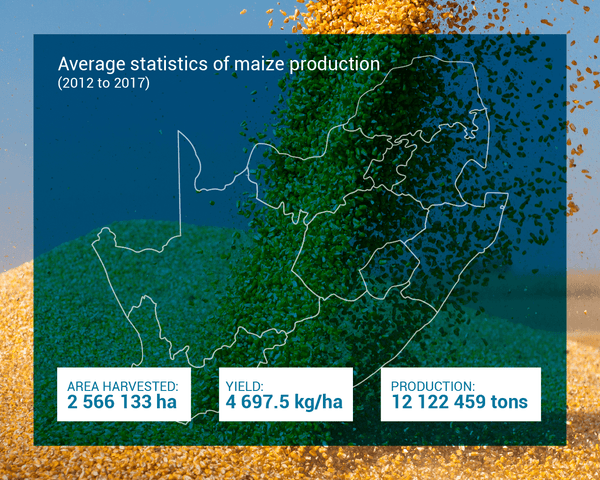
In 2017, South Africa yielded a record high maize production of 12.7 tons, following a two-year drought period. This led to carry-over stock in 2018. So while white maize production declined by 22%, the price of maize remained low due to increased availability compared to previous years.
Subsequently, consumers switched back from bread to maize (pap/porridge) leading to a bread surplus.
By 2020/2021, a new production record of 15.8 million tons was set.
The South African market
The population of South Africa in 2021 was approximately 60 000 000 where 74.9% of the population had a per capita income of less than ZAR5,200.00 PM ($320.22). Maize is consumed largely by lower income, price sensitive consumers and is used as a staple food in the majority of the country’s households. Mieliepap or maize porridge is a staple breakfast and is often also consumed for lunch and dinner.
South Africans consumed approximately 5.2 million metric tons of processed maize in 2019/2020. White maize is mainly used to produce maize meal, which is primarily used to make porridge in South Africa.
Types of maize meal
The percentage of germ removed during extraction will influence the grading of the end product. Maize meal that has the least germ extracted is labelled “unsifted”, moving up the scale as extraction rates increase, to “sifted”, “special” and “super” maize meal. South Africans generally prefer the special and super grades, so most of the bigger millers have stopped producing “unsifted” and “sifted” maize meal. There are also strong regional preferences for certain grades of maize meal, with “super” being the most popular. Braaipap is made from a courser grade maize meal and is a popular side dish with a South African braai.
Other uses for processed maize
Baked, extruded maize snacks: Maize is the cereal base most commonly used by South African snack manufacturers and our milling industry is geared for producing high quality maize grits.
Maize chips and snacks are manufactured using an extrusion-based process similar to that of puffed maize snacks. These products have since become increasingly popular and occupy an important section of the snack market.

Breakfast cereals - Puffed maize cereal is an extruded, ready-to-eat breakfast cereal that only requires the addition of milk for consumption. It is manufactured from maize meal, salt, sugar, syrups, flavouring, shortening, water and various coatings.
Beer production - Umqombothi (Xhosa pronunciation: [um̩k͡ǃomboːtʰi]), is a Xhosa traditional beer made from maize (corn), maize malt, sorghum malt, yeast and water. One of the most popular Lagers in the region include maize as an ingredient to give it a unique local flavour.
Beverages - Magau is a traditional sour maize beverage. Industrial preparation of magau involves the use of refined ingredients such as maize meal, wheat flour, sugar and starter cultures, and a standardised well-controlled process.

Comparative consumption of staples in South Africa
Per capita consumption
- Packaged maize: 81kg
- Packaged leavened bread: 21kg
- Packaged rice: 11kg
White maize meal or pap is the most commonly consumed staple in the country. Low-income groups are highly dependent on white maize meal in South Africa. and is usually eaten with a tomato or meat-based stew. Maize meal is affordable, and due to government policy, is fortified with vitamins and minerals to boost the health of lower-income citizens.
Bread is the second most consumed staple in terms of volume, however, its much higher average price means its market value is 60% higher.
Price sensitive consumers tend to switch between maize and bread as their staple food, depending on which is cheaper. This in turn is determined by availability. During the droughts of 2015-2016, maize was imported, so consumers opted for bread because it was cheaper.
Maize meal is a critical food stuff for South African consumers, and as such maize producers and maize milling entrepreneurs play a valuable role to meet this demand.
Sources:
- Maize Meal – A Look at the Ultimate Staple in Sub-Saharan Africa.pdf
- https://www.statista.com/statistics/1135488/maize-production-in-south-africa-by-province/
- https://www.statista.com/statistics/1135397/export-volume-of-maize-and-maize-products-in-south-africa/
- https://jobsintanzania.org/maize-meal-brands-in-south-africa/
- https://southafrica.co.za/uses-maize.html
- https://www.saldru.uct.ac.za/income-comparison-tool/
- https://agriorbit.com/agro-processing-of-maize/
- https://bmr.co.za/2021/07/14/personal-income-estimates-for-south-africa-2016-2021/
- https://www.ab-inbev.com/content/dam/universaltemplate/ab-inbev/News/Press%20kit/ABI_FS16_Brand_Castle%20Lager.pdf





2 comments
good day,
I need more info on maize meal production including training and business funding thereof
———
Roff Milling replied:
Hello Thabisile, our sales team has been in contact via email. Kind Regards
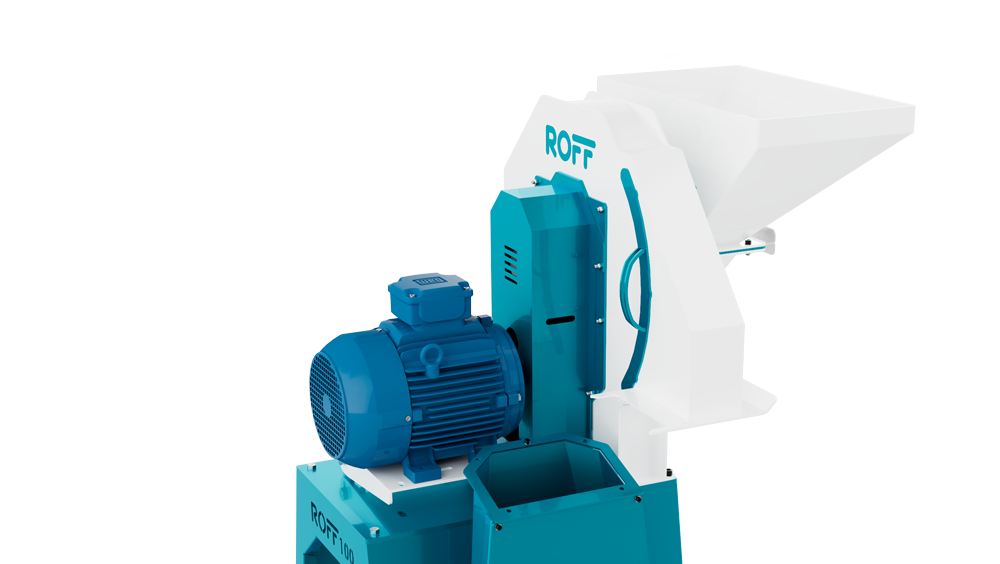
Hammer mill
———
Roff Milling replied:
Hello Gideon, our designated consultant will be in contact to assist.