MACHINES THAT DRIVE SUCCESS

Bagged maize at intake

IS YOUR MILL READY FOR THE NEXT PEAK MILLING SEASON?

Roff Mill readiness checklist

for the next peak milling season

Unplanned downtime during peak milling season costs you tonnage, extraction rate, and margin. Use this checklist to systematically inspect and prepare your Roff mill before the new season — so you can run at full capacity from day one. It focuses on quick-turnaround checks, fixes, and upgrades that can be completed before peak milling weeks, rather than long lead-time projects. Where items need attention, Roff’s spares, fluting services, and technical team are ready to help you get there.

Quick Actions

  • Eight weeks before milling starts

    Spare and wear-parts kit
    Request a critical spares and wear-parts kit matched to your specific Roff mill model and capacity.

    Fortification
    Make sure your doser is working and check your vitamin stock level.

    Service equipment

    Book a general technical inspection
    If required, book roller fluting.

    Calibration
    Ensure machines are set and calibrated.

    Packaging
    Check packaging stock and equipment.

    Emergency procedures and training
    Ensure mill employees are up to speed with emergency procedures.

  • The readiness sprint - one week before milling starts

    Mass measurement
    Intake scale checks plus documentation discipline on gross–tare–net and tolerances.

    Sampling and rules
    Clear triggers for moisture, insects, and noxious seeds at intake.

    Cleaning and metal control
    Preliminary cleaning and magnet checks at intake and before key machines.

    Storage risk
    Moisture, hotspots, and basic aeration or rotation plan.

    Check moisture content
    Confirm moisture is correct to avoid drying time. 

Mill readiness checklist

1. Intake bookings and supply coordination

Do this first so your plant is not overwhelmed when harvest peaks.

Reduce exposure to maize price volatility. About three months before harvest, price direction is often clearer. Consider contracting around one-third of expected usage roughly a quarter before harvest. Tools from Senwes Grainlink and Grain Traders can help. Read more here.

  1. Confirm your expected intake window and volumes (per day and per week) with your suppliers/agents and transporters.
  2. Confirm your offloading capacity (trucks per day) and align delivery schedules to avoid congestion and waiting fees.

2. Intake and flow readiness (the “queue killers”)

Receiving and offloading

  • Receiving area is clean, safe, and clearly marked (traffic flow, truck routes, PPE, signage).
  • Weighing and sampling process is working, documented, and applied consistently.
  • Offloading points are not bottlenecked (people, tools, lighting, and access are ready).
  • Bags, liners, and pallet space are ready if you expect bag intake.

Intake conveying

  • Augers, conveyors, and elevators are inspected (bearings, belts, chains, guards).
  • No rubbing, abnormal vibration, or overheating during a 30–60 minute test run with grain or dummy load.
  • All chutes and bends are clear—no old buildup that can choke the system when volumes increase.
  • Spouting and clamps are tight, with no leaks, spillage, or dust blowback at joins.

    Offloading and intake conveying systems prior to the cleaning stage are susceptible to premature wear. Clients are advised to keep spare auger spirals or spare bucket elevator belts with buckets in stock to mitigate the risk of potential breakdowns.

3. Weighing & mass control (protect your margins)

Make sure every ton is correctly measured and defensible

  • Ensure your weighbridge or intake scale is accurate and up to date—mass measuring equipment should be checked and calibrated annually, and high-traffic weighbridges may require more frequent maintenance (typically every six months).
  • Know your intake tolerance; a typical reference is around 0.25% before a short-mass claim is lodged (e.g., 40 000 kg -> 100 kg).
  • For bulk receipts, confirm the team follows the gross–tare–net method consistently.

4. Receiving checks

Grade, moisture, insects and contaminants

Make fast, consistent decisions at intake to protect storage and milling.

  • Before you dump, check paperwork and labels (grade, mass) and verify it matches what is delivered.
  • Sampling bulk trucks: take a representative sample, e.g., two samples per hatch using a suitable probe inserted deep and across the load.
  • Verify that all actuators operate smoothly and confirm that all pneumatic lines are free of leaks.
  • Drain all water traps within the pneumatic system.
  • Ensure that the plant compressor is serviced in accordance with the OEM’s recommended maintenance schedule.


Reject or escalate when you see:

  • Moisture above 14% (high risk of heating and mould in storage).
  • High levels of live insects; “weevilly” loads should be segregated and escalated, not blended blindly.
  • Foreign seeds or impurities above an agreed limit (for example, more than 1 seed in a 10 kg sample).


If your cleaning or grading outcomes are inconsistent, ask Roff about intake cleaning upgrades—simple improvements can stabilise quality before milling.

5. Cleaning and contamination protection

Protect your mill, your people, and your final product.

Pre-cleaning and separation

  • Screens are intact (not torn) and brush cleaning is working.
  • Aspiration is pulling properly with no blockages; fan bearings and drives are in good condition.
  • Destoner is set correctly; stone carryover is minimal (stones in the system = downtime and damage).
  • Trash, large foreign objects, and oversize materials are removed before they enter the core milling section.

Magnetic protection (non-negotiable)

  • Magnets are installed in the right locations (at intake and before key machines).
  • Magnets are cleaned on a set schedule, at least daily during peak intake.
  • Magnet housings are sealed, safe to access, and easy to open and clean.

6. Moisture and quality checks

Avoid spoilage, mould, and inconsistent maize meal

  • Moisture meter is calibrated or verified against a reference method.
  • Incoming maize acceptance limits are clearly defined (moisture, foreign matter, damage).
  • Procedure for wet maize is clear (drying plan, separate storage, or rejection plan).
  • Storage bins and silos are checked for leaks, condensation points, caked product, and insect hotspots.
  • Avoid packing warm maize meal; ensure the final product bin is adequately ventilated where applicable.

7. Intake flow & equipment dry run

Avoid spoilage, mould, and inconsistent maize meal

  • Use the classic intake-to-silo route as a sanity check: intake hopper -> elevator -> intake scale -> preliminary cleaner -> (fumigant dosing where used) -> conveyor -> silo bins.
  • Run a 30–60 minute dry run: verify that elevators and conveyors run smoothly, with no abnormal noise or vibration.
  • Confirm that magnets are in place and cleaned, especially before high-risk equipment.
  • Check dust control, housekeeping, and general intake safety to prevent build-up, slips, and fire hazards.
  • Check conveying equipment, like conveyor belts, bucket elevator belts and buckets, screw-conveyor flighting.

8. Storage readiness

Avoid hotspots, mould, losses

Good storage protects both yield and quality.

  • Aim for storage conditions that keep damage and loss small—industry guidance often references around 13% moisture.
  • Watch for moisture migration and localised wet pockets; averages can hide serious hotspots.
  • Treat heating and hotspots as urgent; heat plus moisture accelerates spoilage and insect activity.

9. Fumigation & infestation control

If you use fumigants or pellet dosing, do it safely and effectively.

  • Do not dose fumigant pellets into an elevator boot where pellets can sit in dead stock and gas off unevenly.
  • Prevent pellet dust and crumbs from jamming dosing discs, and return excess pellets to airtight containers at day-end.
  • Ensure compliance with safe-handling standards, PPE, and all required registrations.
  • Keep housekeeping tight: good cleaning and waste control are fundamental to controlling insects and rodents.

10. Milling section readiness

Rollers, hammers, and critical wear parts

  • Roll gap settings checked; roll surfaces inspected for wear, scoring, or cracking.
  • Have a spare set of fluted rollers, or send your rollers to be fluted at Roff. Also check rollers when extraction rates drop. Sharp flutes are critical for extraction rate. Read more about preventative maintenance here.
  • Bearings and lubrication points serviced according to schedule. Order spare bearings/belts to avoid unplanned downtime during peak intake.
  • Hammer mill hammers and screens inspected (if used) and spares are on-site.
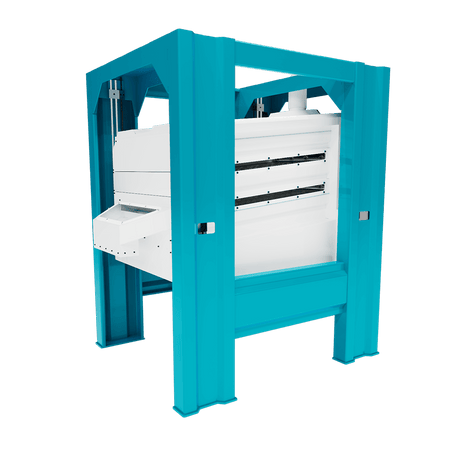
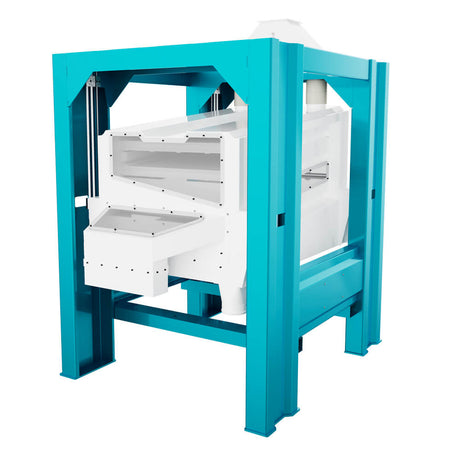
  • Sifters and sieves inspected for tears, correct tension, and cleanliness.
  • Pneumatic lines, cyclones, and filters checked; dust build-up removed to prevent performance loss.
  • Additional mono sifter boxes and screens should be held in stock. These components are often mill-specific and may be subject to extended manufacturing lead times.
  • Bucket elevator belts: check belt tension and condition; inspect buckets and bucket bolts. 
  • Check screw conveyors.

Power and reliability

  • Backup power plan tested (generator start-up, changeover, fuel plan, and basic maintenance).
  • Motor temperatures and amps checked under load where possible.
  • Spare fuses, contactors, and other critical electrical parts available on-site.

11. Fortification and dosing

Compliance + consistency

If you fortify, this is where reputations are built.

  • Doser is clean, correctly installed, and calibrated to deliver a consistent dosing rate.
  • Verification method in place (regular spot checks and recorded results).
  • A specific operator is responsible for dosing and is trained in checks, refilling, and troubleshooting.
  • Stock of premix is secured for the intake period (no last-minute shortages).
  • No bridging or inconsistent flow in the dosing system; product flows freely across the full operating range.

12. Degermination and yield control

Profit and product quality

Separation quality drives extraction, product quality, and by-product value.

  • Degermination performance is reviewed against your quality targets (extraction).
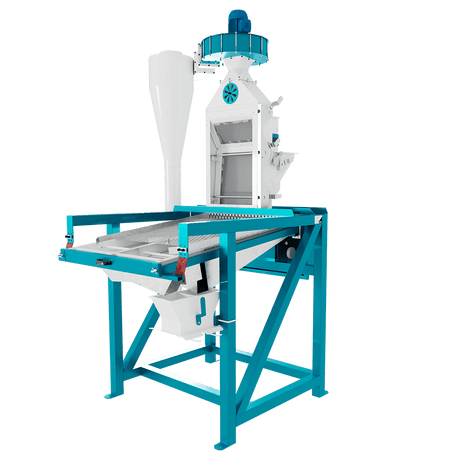
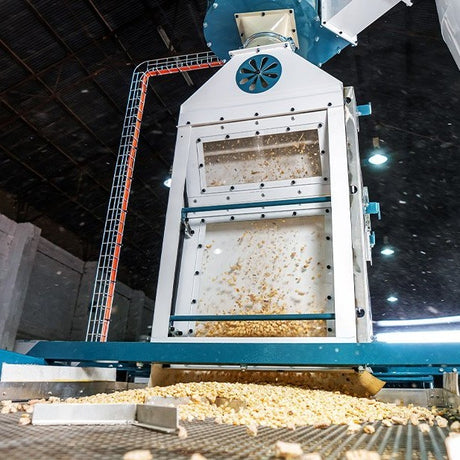
  • Check degerminator screens.
  • Confirm the conditioning system is in good working order (including the flow meter and pump) and that the correct amount of moisture is being added.
  • Germ and bran streams are controlled and clean for better value recovery.
  • The operator knows what “good separation” looks like and how to adjust settings to maintain it.

If you want better consistency and improved separation, ask about adding or upgrading to a DGX degerminator where suitable—this is now a key feature in redesigned Roff R-40 mills and offers a strong efficiency boost without a full rebuild.

13. Packaging, dispatch, and customer experience

Don’t let the back end become your bottleneck

  • Bagging scales are calibrated and verified.
  • Check and calibrate process weighers.
  • Stitchers and heat sealers serviced; spare needles, tape, and thread are ready.
  • Bags and other packaging stock confirmed.
  • Dispatch area workflow is ready (pallets, stretch wrap, forklift service, loading plan).
  • Finished product storage is dry, pest-controlled, and organised on a FIFO basis.

14. Food safety & hygiene basics

Simple routines, big protection for your brand

  • Confirm that the team is practising a basic hygiene barrier: clean PPE, hair covering where needed, no eating or smoking in processing areas, wounds covered, and sanitation rules followed.
  • Reinforce key handwashing triggers: after toilet use, after maintenance, after QA tests, after handling waste, and before touching product-contact surfaces.
  • If you run HACCP, confirm that critical checks around intake, storage, and processing are recorded consistently and that deviations are followed up.
  • Ensure that the factory floor is properly coated. Epoxy floor paint is recommended due to its resistance to chemicals, oil, stains, and abrasion. It also provides a smooth, seamless surface that facilitates efficient cleaning and maintenance.

15. If you need more capacity this season

For mills that already know they will be under pressure

Ensure your plant is serviced, add additional machines (extra MK6 or MK2 upgrade to MK6), add day bins (extra bins filled during night shift) when you do night shifts and increase packaging capacity. Get ready before peak milling season (Nov/Dec).

Rapid capacity step-up – questions to ask:

  1. Are you already running maximum shifts on your current plant?
  2. Are you turning away customers during peak weeks?
  3. Are queues forcing you to accept lower quality or skip cleaning steps?

Options to consider:

SP-1: a compact, modular mill that offers a quick-turnaround expansion option at specific capacities.

R-40: a more meaningful step-up in throughput with best-in-class extraction rates and a stronger long-term base; the latest redesign includes DGX degermination and precision vitamin dosing.

Capacity increase. Share your current tons per day and your target tons per day, and Roff will recommend whether an SP-1 add-on or an R-40 capacity step makes more sense for this intake season.

16. Book help now

harvest ready

Download the maize mill readiness checklist (printable PDF)

A practical, no-fluff checklist to help your mill stay reliable when the next harvest intake starts — covering intake flow, cleaning, weighing, storage, spares, fortification dosing and quick-win upgrades.

  • Roff Profit calculator tutorial

    Net Profit Calculator tutorial

    Ready to master maize milling profitability? Join our new tutorial and learn how to calculate profits, minimise risks, and plan for sustainable success with Roff's Profit Calculator. With over 30 years of expertise, we're your trusted partner for growth. Whether you're an experienced entrepreneur or just starting out, this tutorial is your ticket to thriving in the maize milling industry. Watch now and take the first step toward elevating your business journey!

    Take me to the Profit Calculator

  • Writing on notepad with calculator

    Degerminator Upgrade ROI Calculator

    Already milling and looking for ways to boost efficiency and profitability?

    Discover the incredible impact a DGX Degerminator upgrade can have on your profit margins with our easy-to-use ROI Calculator.