
In regions that prefer very fine maize flour, like Angola, Tanzania and Uganda, hammer mills are traditionally considered more cost-effective at producing a fine meal compared to roller mills. Roller mills, in turn, are better known for producing coarser flour. But which is the most profitable in the long run?
Both hammer and roller mills have their advantages. A combination of both can maximise production capacity and cost-effectiveness, and removing anything from product that went through a hammer mill is very difficult.
After the degermination stage, a roller mill will prepare your maize meal for final milling by the hammer mill. This process will give you an enhanced product and vastly improve your extraction rate and profitability by balancing the process so that each machine, hammer mill and roller mill, can play to their strengths.

Here's how:
STEP 1: Degermination to increase quality
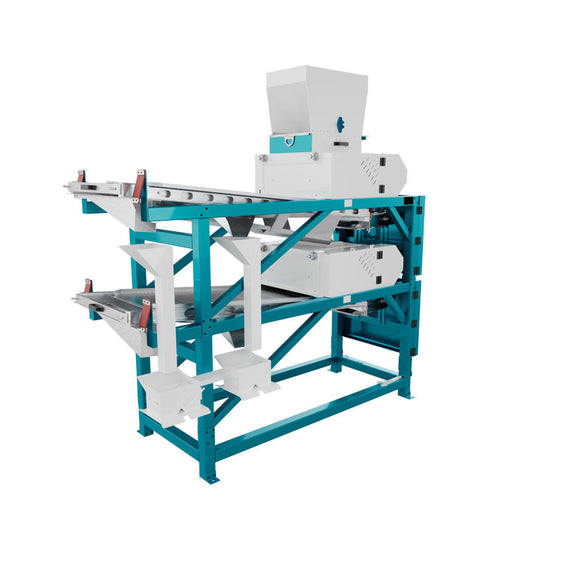
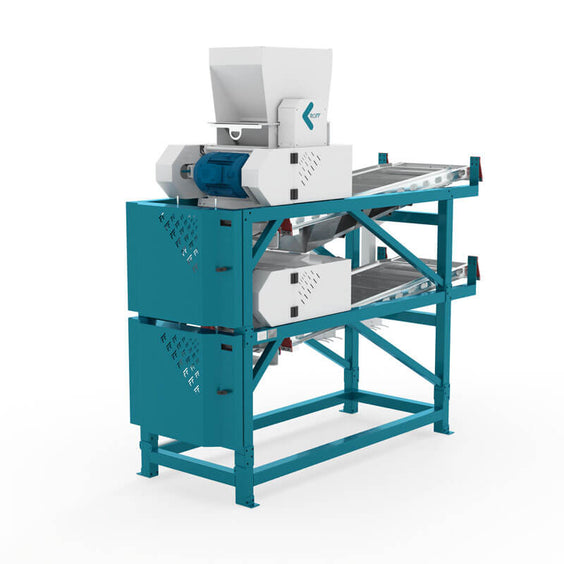
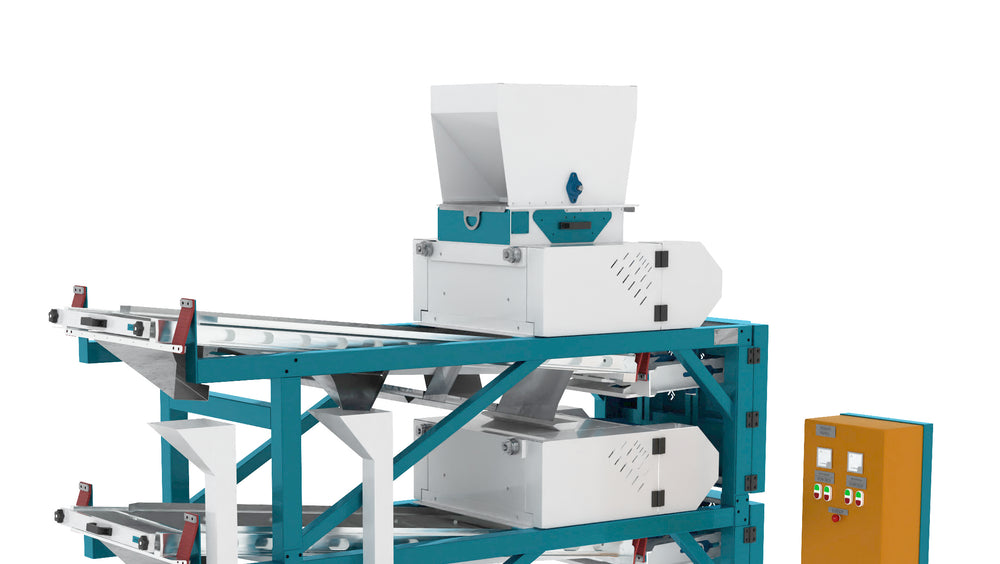
Germ and bran are removed from the maize kernel during the degermination stage. But because maize kernels are not all the same size, a degerminator will leave a small percentage of bran, even at its optimal setting. Removing this bran is key to improving your maize meal quality.
STEP 2: Roller mills with screens to increase extraction
In this process the bran is effectively cut away from the endosperm and separated from the maize meal by a combination of rollers and screens, extracting the maximum flour and only passing the product that you want in your end product to the hammer mill.
STEP 3: Large capacity hammer mills
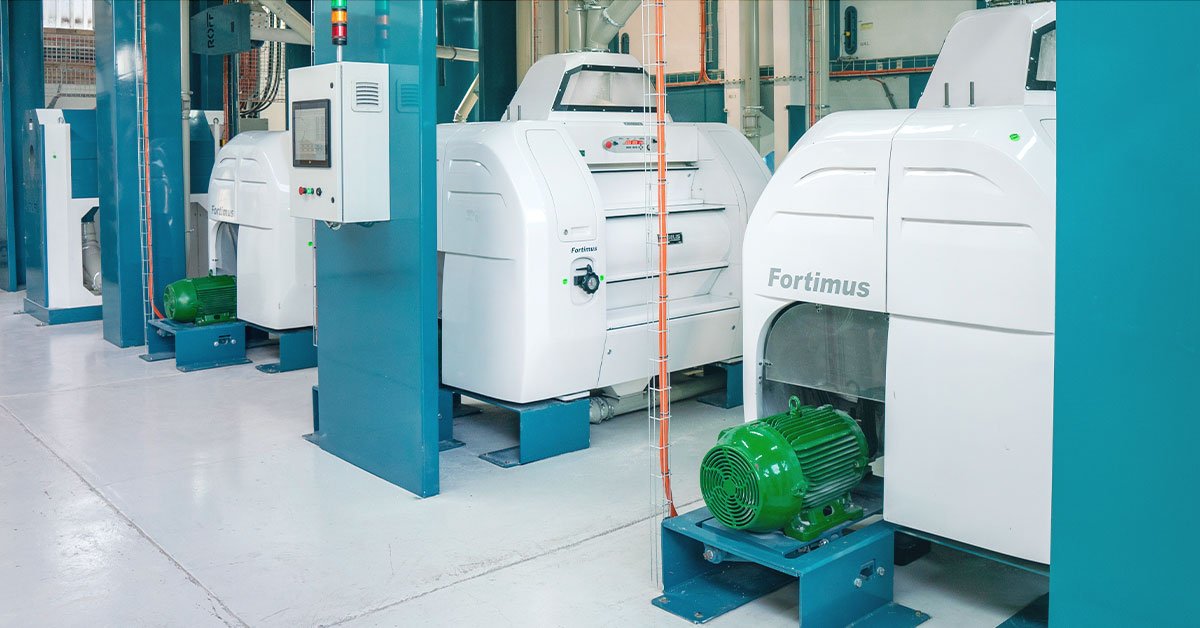
Hammer mills are far better at producing a fine product, as they cannot do any product separation, so effectively what you put in, only comes out when it reaches the desired size. Since the product it receives from the roller mill stage is made up of the same size and type of product, the hammer mill can mill at very large volumes using less electricity, as it’s not working as hard.

Installing a roller mill into your milling process will improve extraction rates by 3 to 5%. In some cases, extraction rates improve by up to 10%. This improved extraction rate will help ensure that your mill is profitable in a competitive market.
At Roff, we consider the most profitable solution for our customers over the long term, while still taking affordability into account. We recommend a combination of degerminators, roller mills and hammer mills for fine flour requirements.
To learn more about Roff’s range of roller and hammer mills, please contact us on sales@roff.co.za or +27 56 212 2697.