


There are steps you can take to improve your bottom line.
If you want to grow and succeed in maize milling, you need to mill close to the maximum capacity that your mill will allow, but you need to ensure that it’s sustainable and profitable.
Here are six tried and tested ideas to increase your maize mill’s capacity and profitability.
1. Optimise your extraction rates
If you have to pick only one of these points to focus on, then prioritise extraction rates. It has by far the biggest impact on your profitability.
More than 80% of the maize kernel is made up of endosperm, the main component of maize meal. Every miller’s aim should be to get as close as possible to extracting all the endosperm without sacrificing the quality of the maize meal. For every 1% extra extraction point you add, you can increase your profits by up to 4%. Everything that’s not extracted as maize meal ends up either with the germ or bran which sells for a considerably lower price than maize meal.
In order to maintain profitable extraction rates, you need to ensure the following:
- Use high quality maize. If you use low-quality maize, you will have to compensate for it to maintain a good quality product, and that means your extraction rates will drop.
- Log your extraction rates regularly so you can fix issues by tweaking the settings and not mill at poor extraction rates for a long period of time.
- Make use of equipment that is especially designed for the maize milling process. Equipment designed for other grains like rice and wheat might not give you the best possible extractions.
Read more about extraction rates and what to do when they drop:
Roff maize mills offer best-in-class extraction rates, so it’s well worth checking out.

2. Maize meal quality
Your customers know what they want and like, and won’t buy a substandard product a second time. As such, applying stringent quality control measures at your mill is key to meet, and preferably beat, your competitors’ offerings.
If the market starts preferring a more premium product than what you can produce, upgrade your mill so that you can deliver what your customers want.
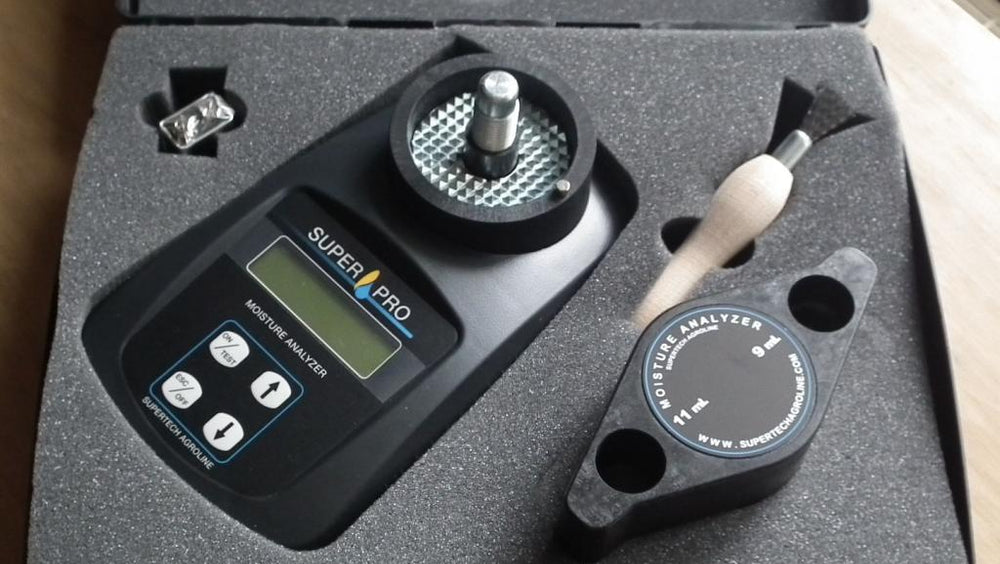
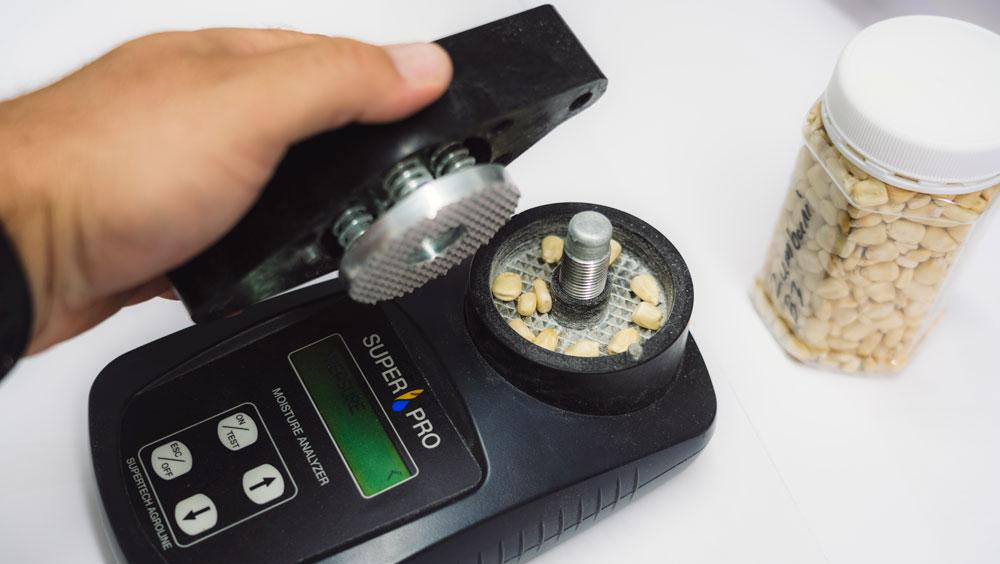
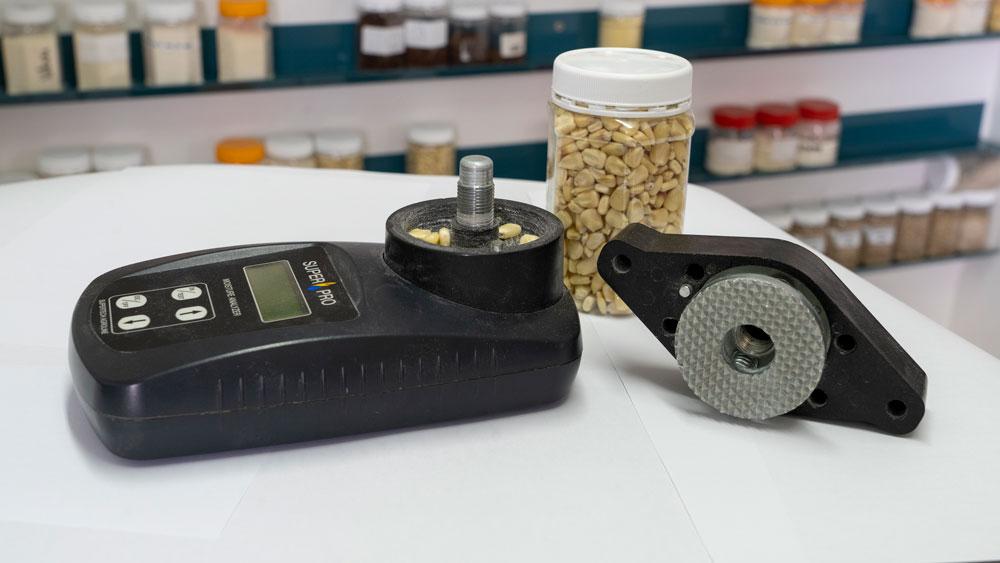
Here are a few articles to get your started: moisture content, speck count and cooking test, granulation and oil check.

3. Marketing and getting to know your market
You have a great product, but need people to know about it. Here are a few ideas to help boost your brand:
- Refresh your branding: For example, with a new bag or logo design, but don’t overdo it. People love trying out something new, but you don’t want to lose your existing customers because they don’t recognise your new bags.
- Run promotions: Pack special 1kg promo bags that are given out as samples at events like soccer games or pop-up kiosks near busy areas. It’s a great way for people to try your product, and compared to print and radio adverts, this can give you much more bang for your marketing budget.
- Compare yourself with the competition, and be creative. You need to keep a constant eye on your competition, but you must resist the temptation to copy what they are doing all the time. Instead, be creative and come up with your own ideas, like perhaps a convenient delivery service?
- Social media – Platforms like Facebook make it very easy to do targeted advertising, meaning you show the advert to people who are most likely to buy your product. You create an interesting post or video, pick your target audience and location and then pick your budget. That’s it.
- Know your customers. Make sure you give the market what they want, not what you think they want.
- Be ready to change. When the economy is down, people tend to look for cheaper options, so bear this in mind and change your packaging sizes if you need to.
For maize meal branding tips, read here.

4. Double shifts or longer hours with night time storage
Your milling equipment costs the same each month to own, even if you mill for 8 or 24 hours a day. So, if you can mill more without interruption, but keep a lot of your expenses the same, you increase daily milling capacity and your monthly profitability. Normally you don’t need many staff members to operate the mill, but you do need staff to package the maize meal.
Here’s how:
- Add milling shifts, and try and get as close as possible to 24 hours a day. Most mills don’t require many staff members to operate a mill;
- Add more storage. Increase your maize meal and by-product storage capacity so that you have enough for the additional product produced during the night shifts;
- Pack during the day. Upgrade or add more packaging so that you only have to package during the day, increasing efficiency and lowering overtime cost.
5. Look for opportunities outside of your normal market
Keep your ear on the ground so that you’re aware of maize meal shortages in other regions or countries, and can use these opportunities to sell your product/s.
Some retail chains also have house brands, and use independent mills to produce these products on their behalf. It might not be as profitable as your own brand, but it might be a good way to increase your capacity and purchase equipment to increase your profitability.
6. Implement a growth plan
How much maize meal must you sell in order to be profitable and grow? Once you know this, you can figure out what the next step should be. Can you upgrade your existing equipment, or is it time to buy a new maize mill that offers increased profitability or reliability? Use Roff’s free Profit Calculator to calculate your success.
Remember to follow Roff on social media for more tips and advice on how to build a successful maize milling business or visit roff.co.za


1 comment
Good morning Im so excited I fill so good 👌👌👌
———
Roff Milling replied:
Great!