

Droughts in Africa are not just isolated events; they often occur in cycles, influenced by phenomena like El Niño. The continent faces various natural disasters, including floods, earthquakes, and wildfires, but droughts are particularly impactful. They have wide-ranging effects on the environment, agriculture, economy, and societies of the continent.
This impact of course extends to maize millers, especially community millers who are reliant on small-scale subsistence farmers for the maize they mill. In times of drought, for example the one currently experienced in sub-Saharan Africa countries like South Africa and Zimbabwe, these millers feel its pinch in a very real way.
But, as is often the case, with the challenges brought on by difficult circumstances, there are also opportunities waiting to be unlocked. In this blog, we explore how the drought could present an ideal business growth opportunity for the community miller who takes the plunge to become a commercial miller.
Countries with the highest prevalence of droughts in Africa between 2010 and 2022

As the graph shows, from 2010 to 2022, Kenya and Somalia were the African countries that experienced the highest number of droughts, with both countries recording six droughts over this period.
The most frequent number of droughts was four, with six countries – of which all except for Niger are in sub-Saharan Africa – registering this number.
Statistics like these prove that drought is very much a part of life for people living in this region. As such, it makes sense to look at ways that will help to grow a business venture, like a maize milling operation, despite the drought. Upgrading to a commercial milling enterprise is one way to achieve this.

Why consider a commercial milling upgrade?
In times of drought, subsistence farmers who'd normally take the maize they produce to community millers to be milled, either buy the maize from elsewhere and still have it milled by the community miller, or buy packaged maize meal in-store.
Without a maize supply from subsistence farmers, community millers often buy their own maize to mill and sell to their community using their existing milling equipment. However, this could be the perfect moment to invest in a higher capacity maize mill such as the Roff SP-1 Maize Mill and enter the exciting exiting world of commercial milling.
Also read our blog 'How to upgrade from community to commercial milling'
Next steps to consider
First things first, as a starting point you need to be aware that the commercial milling process involves more steps and equipment in order to ensure higher quality maize meal and a larger capacity output. A higher quality product is what allows you to sell to a broader market, which in turn leads to increased profitability.
By contrast, community milling is a much simpler process to meet the local community's needs, but it's limited in terms of capacity and efficiency. So, if your aim is to expand your business, upgrading from a Posho Mill to the Roff SP-1 Maize Mill or adding an SP-1 Mill, is a logical step.
You can upgrade your existing Posho or MK2S Mill to an SP-1, but a Roff MK-6 Roller Mill is recommended if your objective is to produce a higher quality product. Therefore, Roff recommends the MK-6 as the foundation for your new commercial SP-1 Maize Mill, since Posho and MK2S Roller Mills are limited to producing Sifted or Special Maize Meal.
The benefits of upgrading to an SP-1 Maize Mill
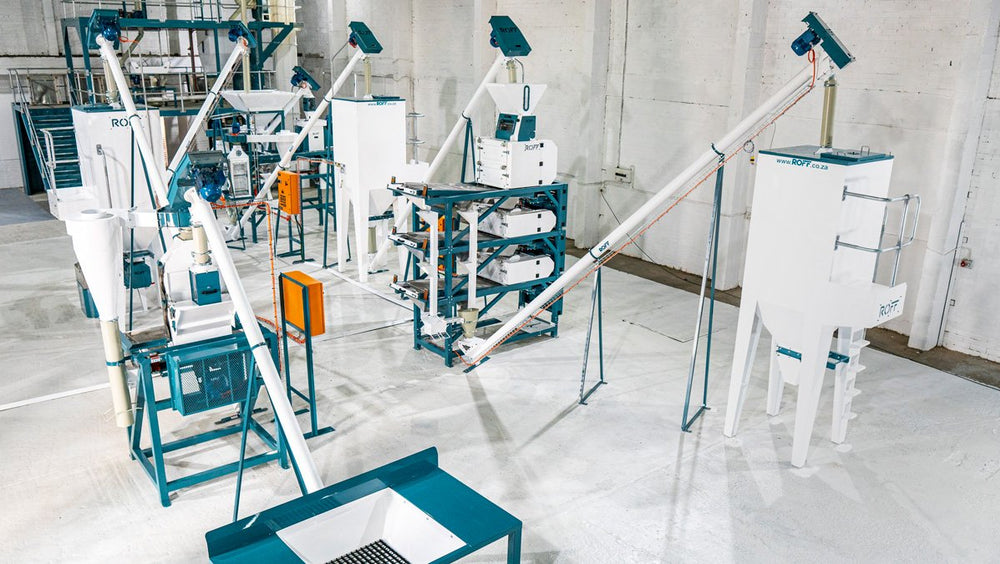
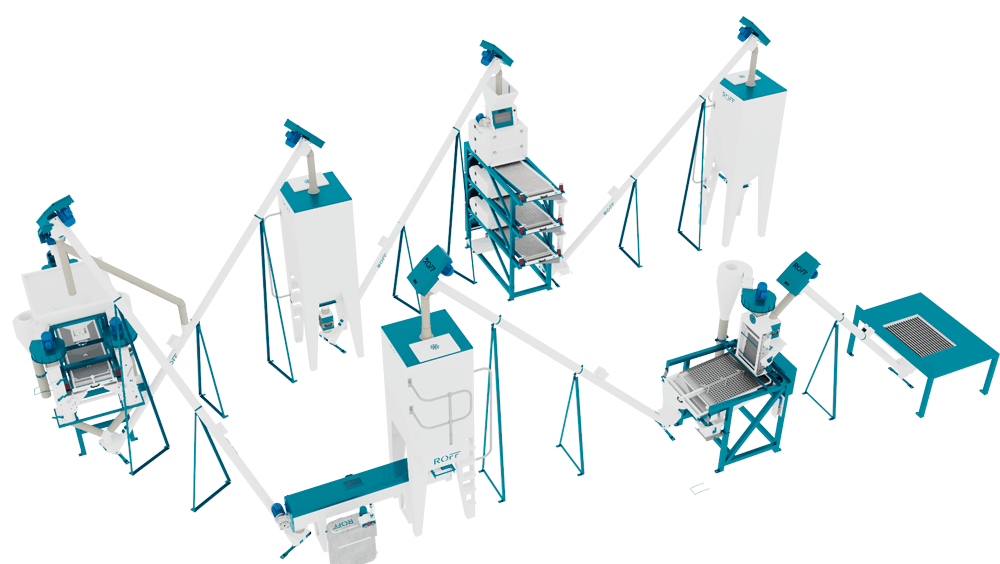
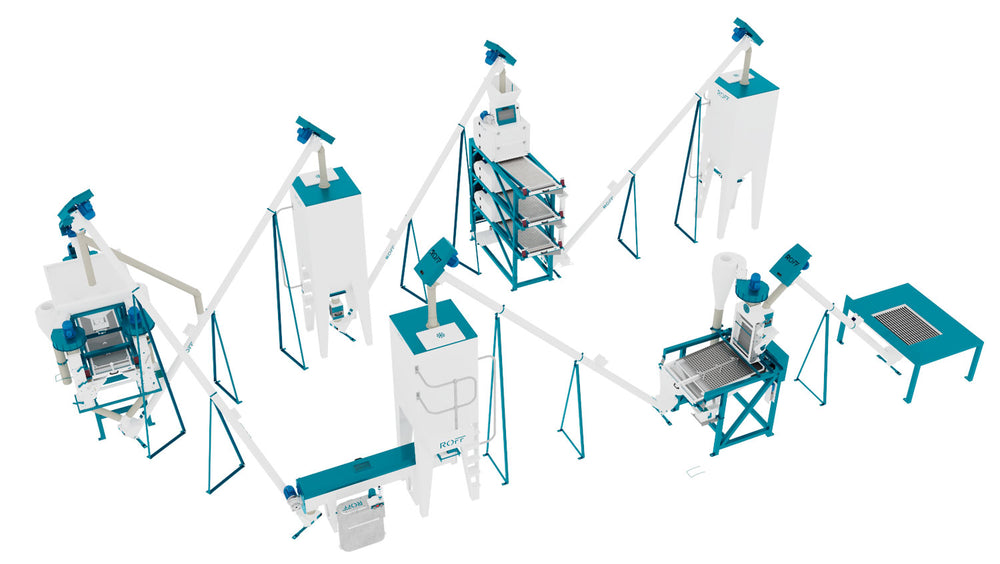
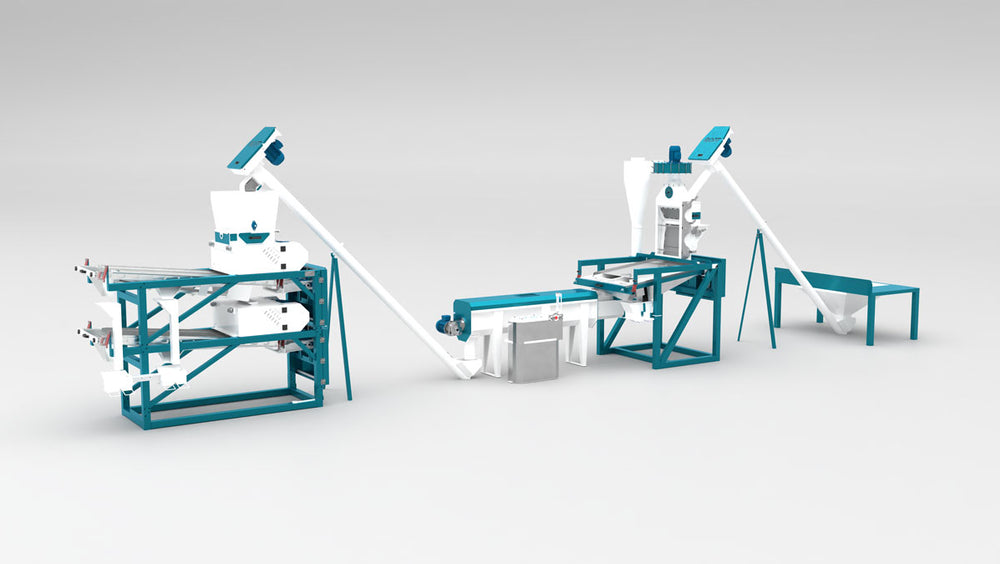
Roff has designed our SP-1 Maize Mill so that it includes all the necessary features and steps needed to easily produce high-quality maize meal for the optimal profitability of your maize milling business. These steps are cleaning, conditioning, degermination (optional) and milling. The Roff SP-1 is everything you need for an affordable commercial milling upgrade that will help drive your success in the maize milling industry.
You can look forward to:
- Economies of scale that result in profitability
- The lowest overhead costs per ton produced compared to larger mills
- A higher quality product to meet customer expectations
- Access to a broader market
- Higher capacity
- Increased efficiency
- Employment creation in benefit of the local community
- Possible funding support from the local government, such as in Lesotho

Super quick turnaround time
The SP-1 Maize Mill can be commissioned, installed and training can be provided within only three days, to let you start your commercial milling journey in record time. In addition, the SP-1 was designed with growth in mind, so it can be easily expanded upon at any time with a range of optional extras.
Let's help you upgrade
In times of drought especially, upgrading to the Roff SP-1 Maize Mill is vital for maize milling entrepreneurs who are seeking sustainable growth, improved productivity and increased market reach.
To discuss how you can go about taking this exciting step and for expert milling advice you can trust, send an email to sales@roffmilling.com and the Roff Milling team will be in touch.
Sources:

2 comments
Thanks
Thanks