


Like any other industry, maize milling has its own unique sets of challenges that you will have to overcome if you want to succeed as a maize milling entrepreneur. Here are some common problems to consider when entering the maize milling industry:
01. Obtaining the right maize milling equipment
Reputable local milling machine dealers or manufacturers such as Roff, will offer the most appropriate mill for your area and needs. Always make sure spare parts can be easily sourced and delivered to your location.
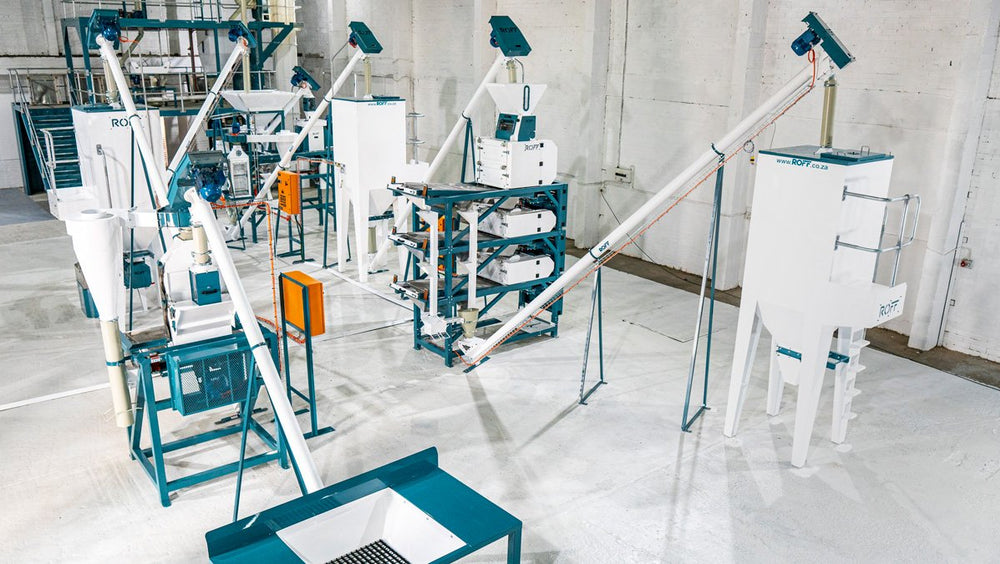
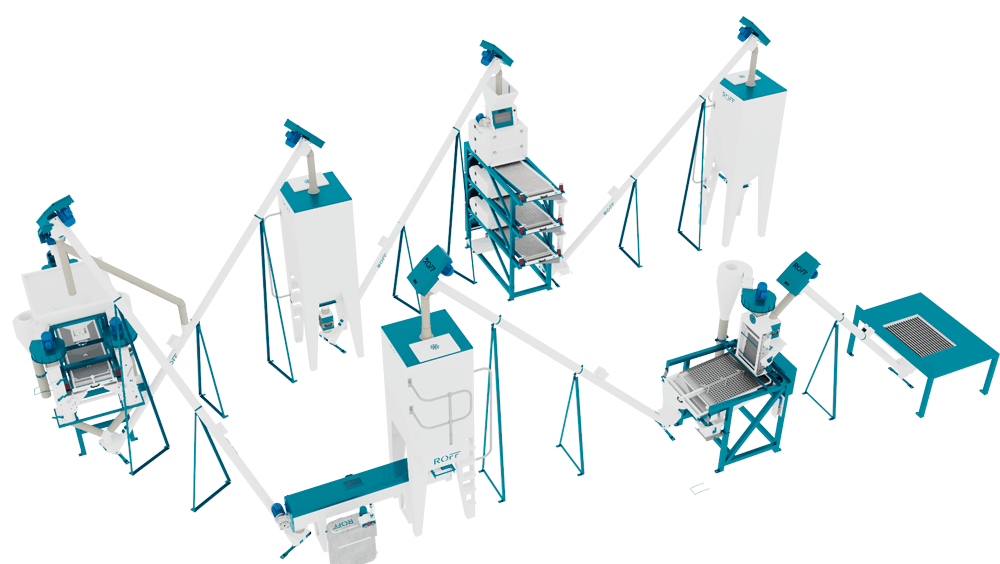
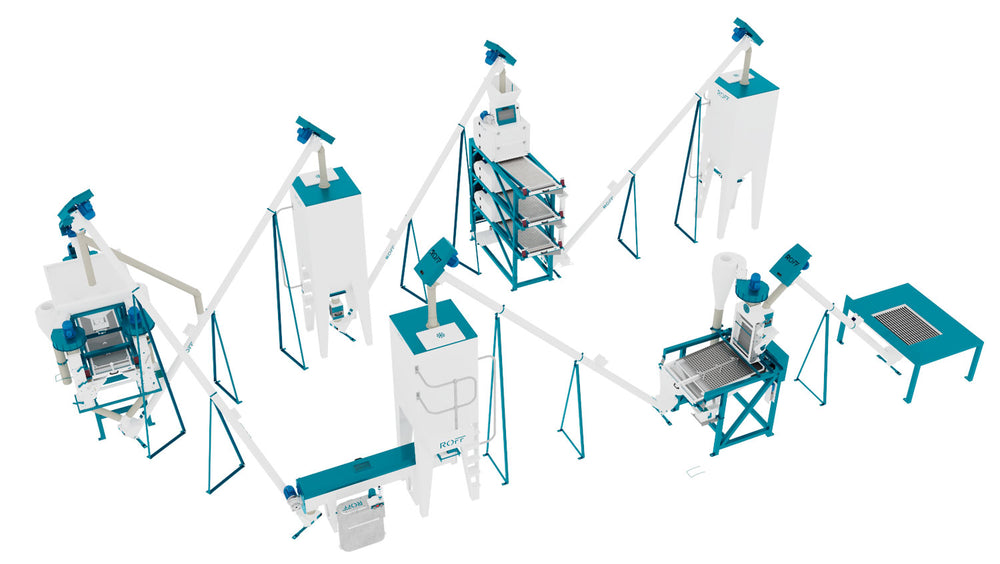
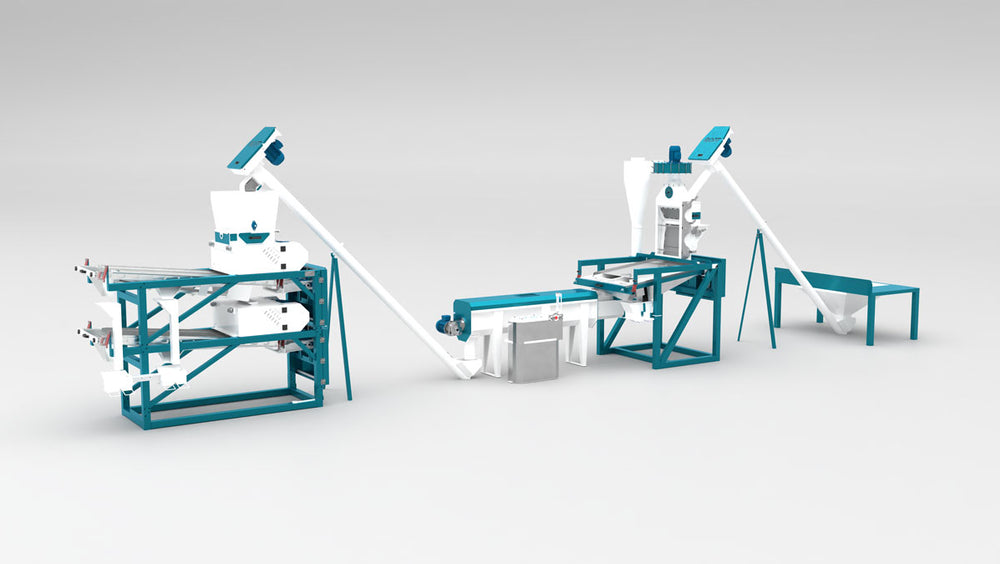
For bigger mills, milling machine suppliers will pay a visit to your site to deliver on your specific requirements, and provide a full after-sales service. The good news is that if proper and regular maintenance is carried out, little can go wrong with a quality small-to-medium maize milling machine, like Roff’s SP-1. The SP-1 provides all the essential components needed to get you started in maize milling and produce high-quality maize meal.
Roff's SP-1 1 ton/hour maize mill

02. No capital to start your business
If you don’t have capital to start your maize milling business, you can consider these two options to acquire funding:
Government development funds These are usually medium-term loans (three- to seven-year period), where interest is charged at prime plus related rates. In order to apply for this kind of funding, you need a well written business plan and other motivational documents. The application process takes at least six weeks.
Financing at commercial banks Also medium-term loans (10-year period), these loans offer interest charged at prime plus related rates. To apply for this kind of funding, you need a well written business plan and security in the form of assets. The application process takes at least two weeks.
03. Lacking the knowledge to map out a business plan
One of the key steps on your road to becoming a maize milling entrepreneur will be to write a solid business plan. Although a business plan is by no means a guarantee that you will secure the funding you need, it will go a long way towards clarifying in your own mind what you need to do in order to get your venture off the ground.
Writing your first business plan doesn’t have to be a daunting experience. Understand the purpose of this document, and you’re halfway there. Click here to download Roff’s FREE guide to writing a business plan.

04. Limited availability of sales contracts from big customers
For young entrepreneurs, it’s best to understand and focus on the domestic market and invest in servicing smaller, local communities first. This way you will face less risk and gain experience before expanding into new, bigger markets.
It’s also important to identify the maize product you’ll be producing so you can research and understand your target market’s wants and needs fully.

Roff has helped thousands of entrepreneurs across Africa. We’ve learned a lot in our 30 years of operation, and use that experience and knowledge to help drive your success. Contact us if you want to learn more about your local market and industry.
05. Finding and training the right people
Milling plants can’t run without staff to operate the machines and perform important daily tasks. Finding the right people and training them to function optimally is just as important as finding the right milling machine.

The success of your milling business depends heavily on the competency of your employees. Roff will help you train the operators as part of our standard installation procedure – and since many of our machines are built for easy operation, your team will be up and running in no time.
Roff wishes you well on your journey to becoming a maize milling entrepreneur – we are here for you every step of the way! Contact us on +27 56 212 2697 or sales@roff.co.za

1 comment
Thank you so much for your informations, I learned a lot from you.