
When starting or expanding your maize milling business, you need to consider location and how it affects your profit margin. In other words, should you centralise or decentralise?
Small-scale milling operations can compete with big corporates, but how? Here, choosing to establish your maize processing plant closer to your end-users, gives you a transport cost advantage, which enables your business to remain profitable at lower sales prices.
Alternatively, as a larger scale or corporate milling business, instead of upgrading existing equipment, you might consider decentralising by opening a new, smaller mill in an area where you can gain market share.
Your individual business needs like your target market, raw material supply availability, capital and end goals will determine whether you opt for a centralised or decentralised business model.

The case for centralisation
Throughout Africa, a large number of large-scale milling businesses follow centralised business models. They produce enough maize meal to supply on a national level. Compared to maize meal, maize takes up more space and is lower in value, making it more expensive to transport per volume. That's why, in South Africa, the biggest mills are located in the central maize production regions such as the Northern Free State and North West.
Advantages:
- All milling operations and related employees are on the same premises.
Disadvantages:
- Large mills require massive infrastructure and power consumption, forcing companies to stay close to bigger cities and towns.
- Civil construction of large mills and buildings is costly and lengthy.
- Lead times are longer; it can take two years before milling begins.
- High risk – With an entire investment in one facility, massive losses can be incurred in case of power outages, fire or floods.
- Labour and staff housing is expensive near the main centres.
- Large mills are generally further from the end-user.
- Shipping costs of final products are high from country interiors.
- Road conditions to and from rural areas from main centres are often poor and can cause security threats and time delays.
The case for decentralisation
Decentralised milling businesses are mainly small- to medium-scale mills which supply to local or regional markets. These milling entrepreneurs can have more than one mill in different areas. Their objective is to save on transport costs of both raw materials and the end product by positioning themselves as close as possible to the maize supply and the demand. This saving in transport costs allows the mill owners to maintain a healthy profit margin while competing on price with mills from outside the area.
In some countries, the majority of mills are installed near the capital or other large cities, With few or no mills in the maize growing area. This results in maize being transported to the mill while maize meal is then transported from the mill back to the maize growing area – leading to double transport and more expensive maize meal. In this case, a smaller mill in the maize growing area will offer a big opportunity.
Advantages:
- Quick and cost-effective civil construction. Smaller mills only require a warehouse.
- Fast lead time with as little as a few weeks to six months for milling to begin.
- Low risk – By adding another mill in the same location while needing to do maintenance or downtime due to power loss or fire, production capacity can still be maintained.
- Poor road infrastructure has little effect on your local supply and demand.
- With less electricity needed for small mills, they can be installed in areas where there is less power availability. Smaller mills can also be run off solar or battery power.
- Labour costs are reduced in smaller centres.
- Smaller mills in rural areas generally gain loyalty from local consumers as they employ people from the area.
Whether you choose to centralise or decentralise your maize milling business, Roff has a mill to suit your needs.
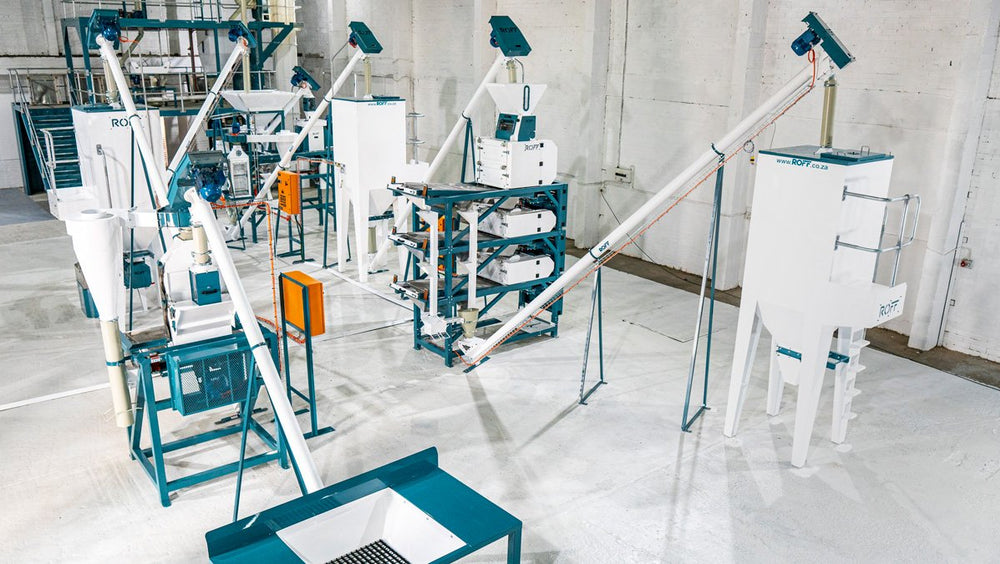
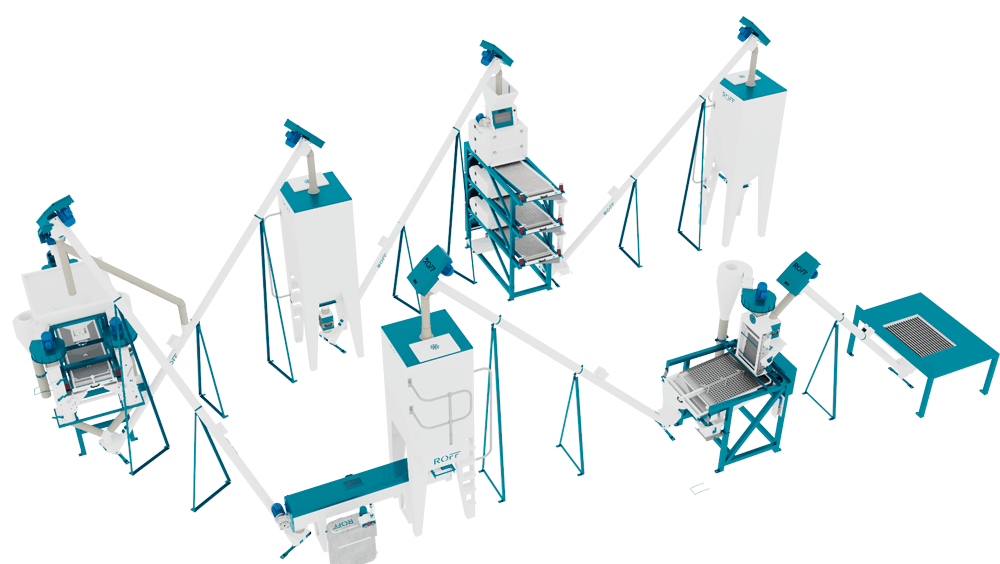
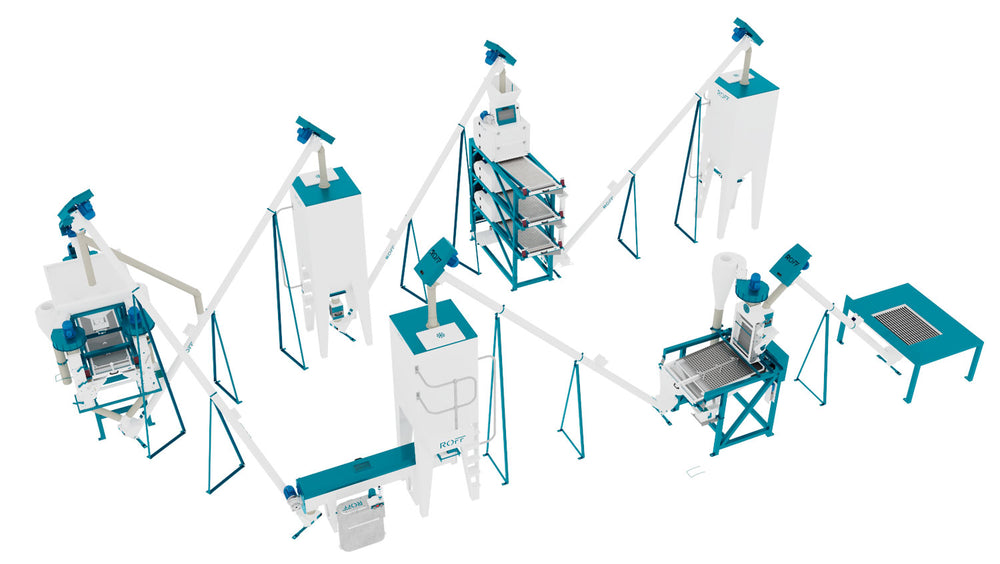
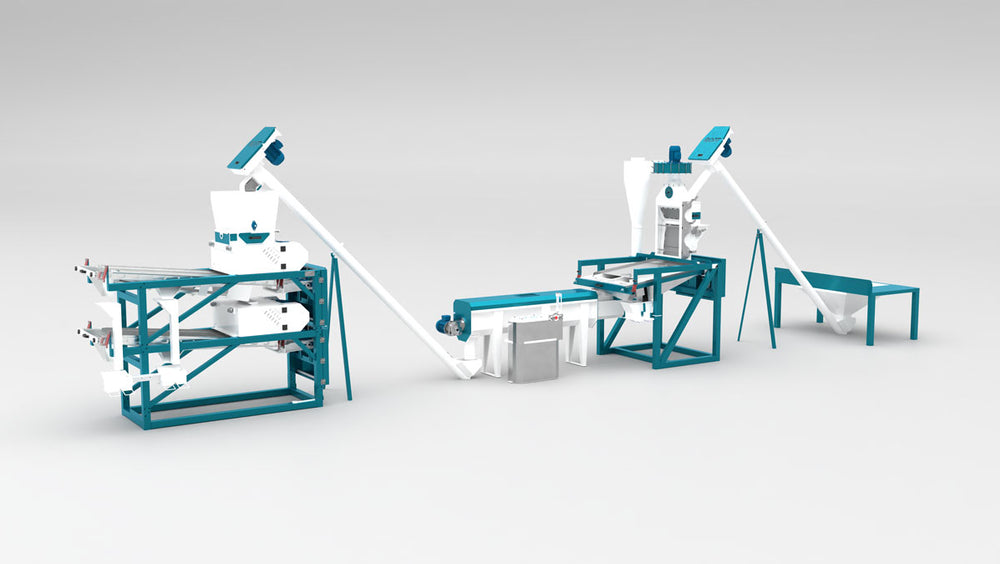
At Roff, we manufacture turnkey maize mills that are ideal for entrepreneurs who need to locate a mill closer to their target market or add additional capacity to an existing operation. Our SP-1, R-70 and C-80 mills are all designed to be compact and highly profitable.
Click here to compare our turnkey maize mills