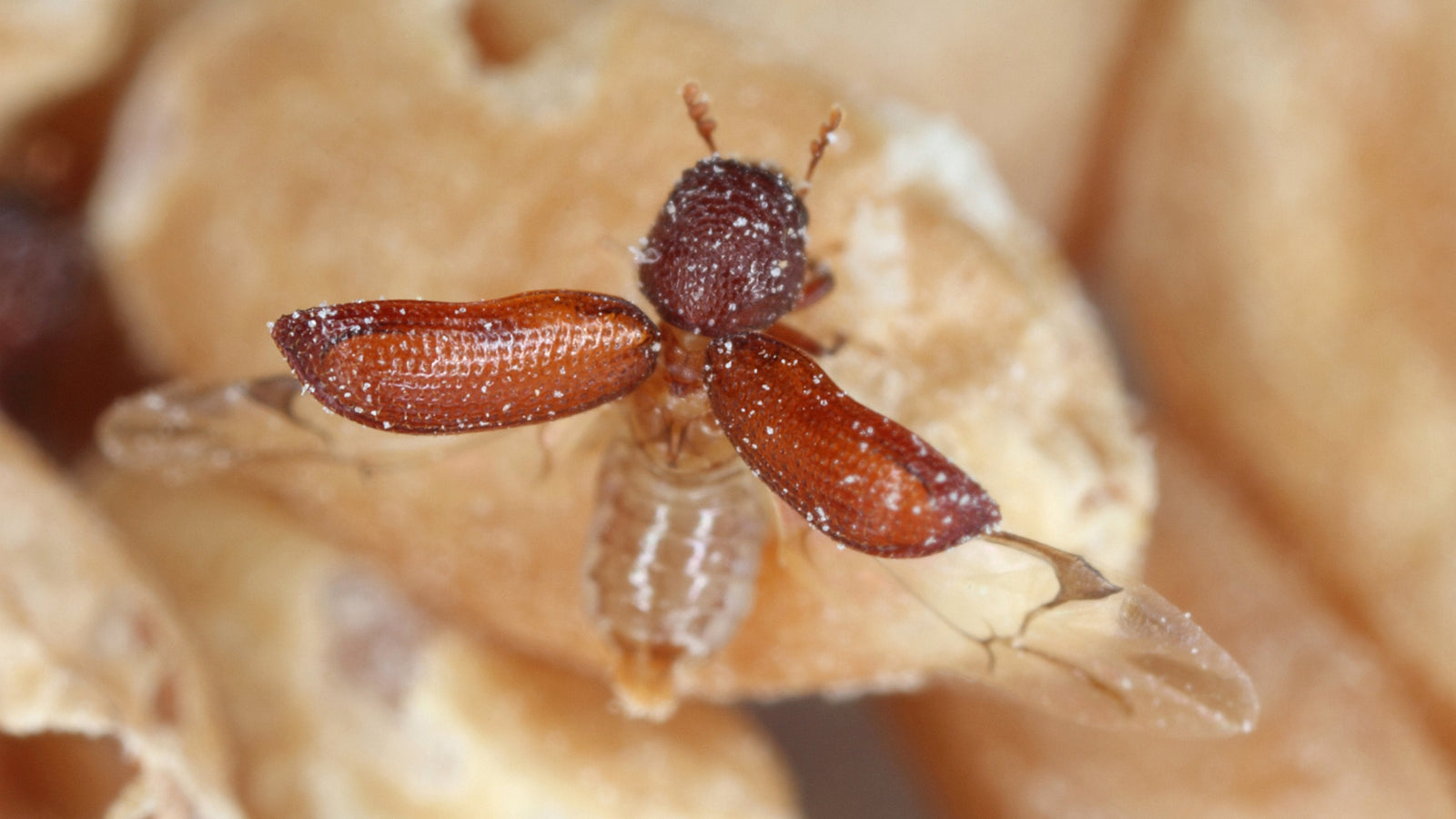
Worldwide about 25% of all stored grain, such as maize, is lost annually to damage caused by insects, which makes fumigation a necessity.
In this four-part series, Roff takes a look at measures the maize miller can take to control this very real threat to his business. This blog gives an overview of why insect infestation poses such a risk.
Insects are a threat to the miller
Damage caused by insects in the silo or mill can be considerable and, if not controlled, lead to a significant financial loss for the maize miller. The longer insects are left without taking any preventative and corrective measures, the greater the financial loss that will be caused.
These damages may include:
- Loss of maize or product mass eaten by the insects.
- Chokes caused by the webbing of the pupae of the insects which builds up in machines, spouts and conveyors.
- Complaints from the wholesaler, retailer and consumer, resulting in a loss of sales.
How do insects enter the mill?
- When the maize arrives at the intake from the farmer or co-op’s silo. That’s why every load of maize arriving at the mill must be inspected for infestation.
- In returned products from customers. It’s essential that all returned products be fumigated before they’re mixed back into the products produced in the mill.
Primary and secondary insect pests of grain
Primary insects attack the outside of the grain. These are: weevil, lesser grain borer, cadelle and Angoumois grain moth.
Secondary insects attack the inside of the grain, which has been exposed by the primary insects. Confused flour beetle*, saw-toothed grain beetle*, rust-red grain beetle*, Mediterranean flour moth*, tropical grain moth and Indian meal moth, are examples of secondary pests.
*These sometimes attack the whole grain kernel.

Life cycle of an insect
All insects (beetles and moths) have the same life cycle, only the length of time for each stage differs.
This life cycle is egg; larva; pupa; and adult.
- The adult lays the egg.
- The larva hatches from the egg and eats the host’s food.
- The pupa is a chrysalis spun by the lava around itself. In this form, the insect does not eat. It undergoes transformation and emerges from the cocoon as an adult insect.
- The most difficult stage to kill off with most fumigants is the egg.
Visit roff.co.za to explore Roff’s range of maize milling machines, milling equipment and milling accessories, or contact us on sales@roffmilling.com or +27 56 212 2697.