


Research by the University of the Western Cape shows that approximately 70% to 80% of small businesses fail within five years. Shocking, right? Although successfully establishing small to medium businesses in Africa, such as maize milling businesses, can be difficult due to challenges like governmental and environmental factors, as well as entrepreneurs’ individual issues, they can be overcome.
Here are five of the problems small and medium scale startups could face, and how to work around them:
01. A lack of planning
Many entrepreneurs are often too impatient to put a solid plan in place before starting their business. Planning in business can often make or break the startup. Time also plays an important role in planning, especially for new businesses.
TIPS:
It’s key that entrepreneurs learn to manage their time wisely. Planning in advance and ensuring that things are done on time is crucial for business success. Aim for an achievable schedule so that there’s enough time to execute tasks accurately. Business owners must also be flexible enough to accommodate unforeseen circumstances e.g. droughts or maize supply issues, and utilise planners and calendars to meet schedules, like delivery schedules.

02. Little access to finance
Little or no access to funding is one of the main areas most businesses fail, especially in the beginning. Small business owners must strive to start small with little money. Ideally, before starting a business, entrepreneurs should ensure they have enough money to sustain that venture for at least two years, then slowly and patiently build it up. Unfortunately, most small business owners in Africa have no idea where to get startup capital.
TIPS:
One suggestion is for entrepreneurs to explore ways of funding their businesses themselves, or to investigate different organisations that offer capital services to small businesses. Other options are forming partnerships, looking for investors and applying for business grants and loans.
03. Not choosing the appropriate business model
When starting a maize milling business in particular, you need to consider location and how it affects your profit margin. In other words, should you centralise or decentralise? Your individual business needs like your target market, raw material supply availability, capital and end goals will determine whether you opt for a centralised or decentralised business model.
TIPS:
To read Roff’s blog on the advantages and disadvantages of both a centralised and decentralised business model, click here.
04. Lack of business knowledge and the right skills set
It’s vital that every potential entrepreneur has ample knowledge about the industry they’re entering, competitors, target market, existing market trends, advertising and marketing techniques and patterns, as well as financial know-how.
As information keeps changing and new facts and data emerge to replace traditional beliefs and trends, getting credible information might prove to be a challenge.
TIPS:
Always crosscheck references and stick to relevant sources of information, especially from experts in your particular field. Use opportunities to educate yourself. Do proper research, make enquiries, ask other business owners in the industry, attend agriculture expos, read relevant books and visit relevant websites.

05. Being open to new ideas and innovations
Sticking to archaic ways of doing business in a fast-changing world is a recipe for failure. Entrepreneurs must embrace innovative philosophies and technology if they want to break even and stay at the top.
TIPS:
Today, business owners have improved access to knowledge (via the Internet), collective resources and crowd sourced capital which can help them succeed. Maximise the use of technology as well as social media, listen to your customers, manage cash flow properly, be willing to invest in employees, and move with the times.
Some other reasons businesses might fail:
- Ineffective management
- Insufficient market research
- An unwillingness to accept help
- Poor financial planning
- No accountability
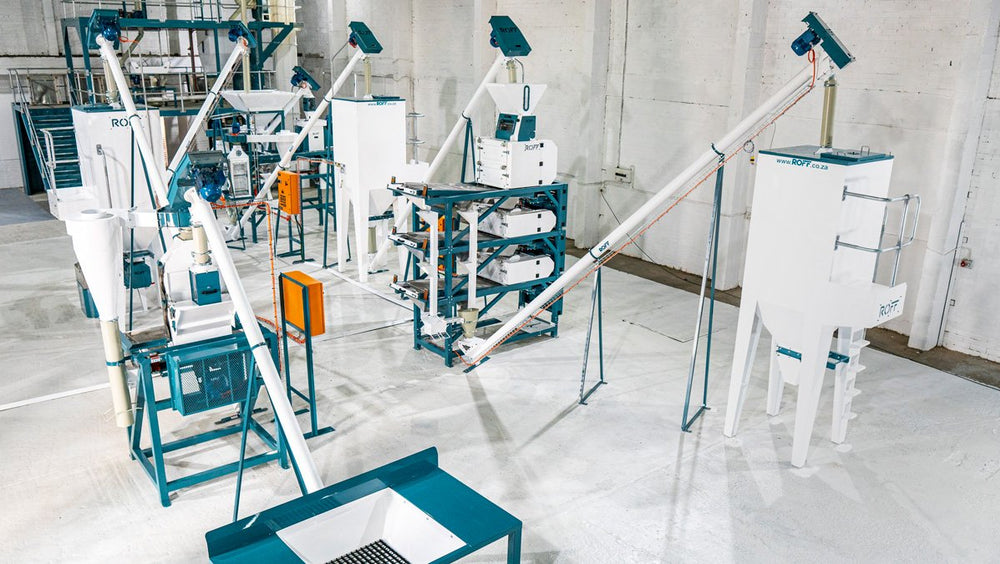
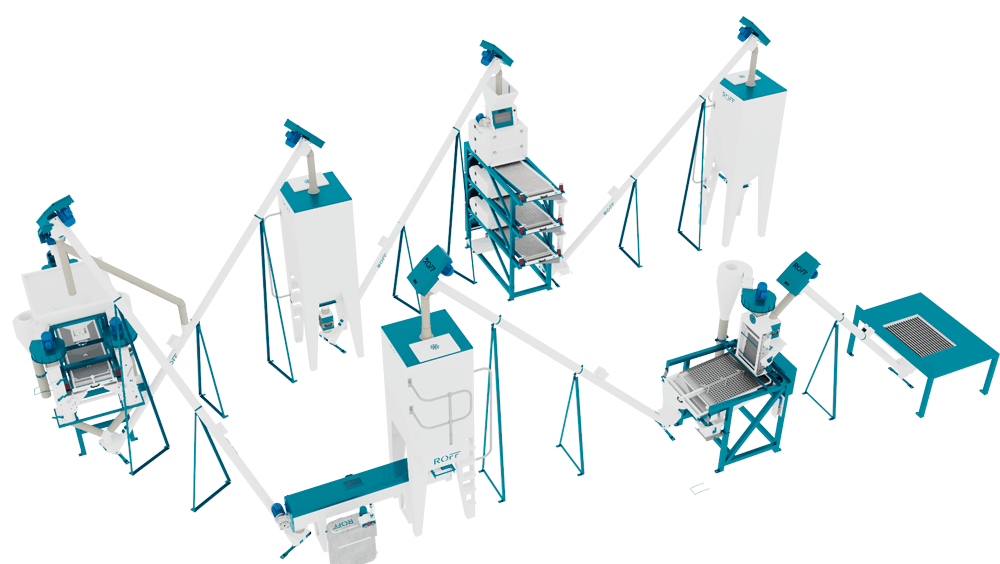
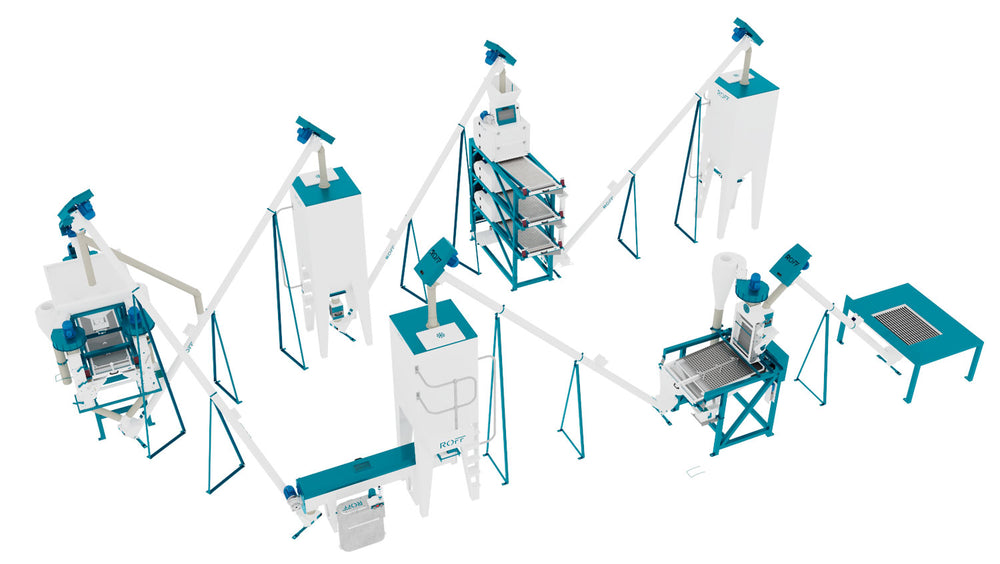
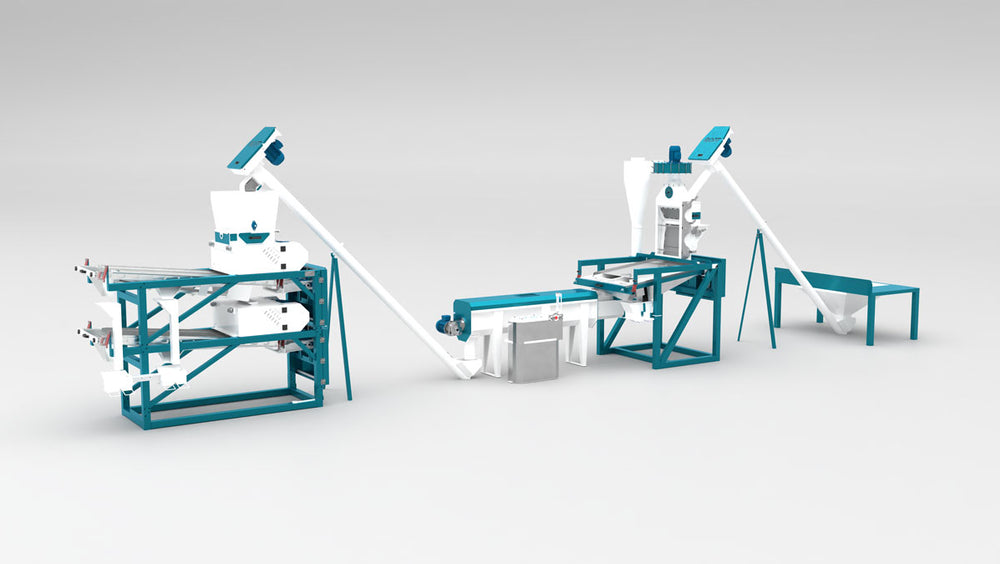
Roff has decades of experience in helping African entrepreneurs to start viable milling businesses - contact us for advice and milling machines that will drive your success!

2 comments
With what have ready and encouraged about finding lnvestor and looking for financial lending lnstitution i will do so.
All the machine and i think even for business plan and plant design i would love roff you help me with that while.
Thank you for information, I have a plan to come open flour mill in Africa especially in DRC CONGO. When I will be ready for Finencial capital I will contact with you to know more. Thanks
———
Roff Milling replied:
Thank you, we will be on the lookout for your inquiry.